
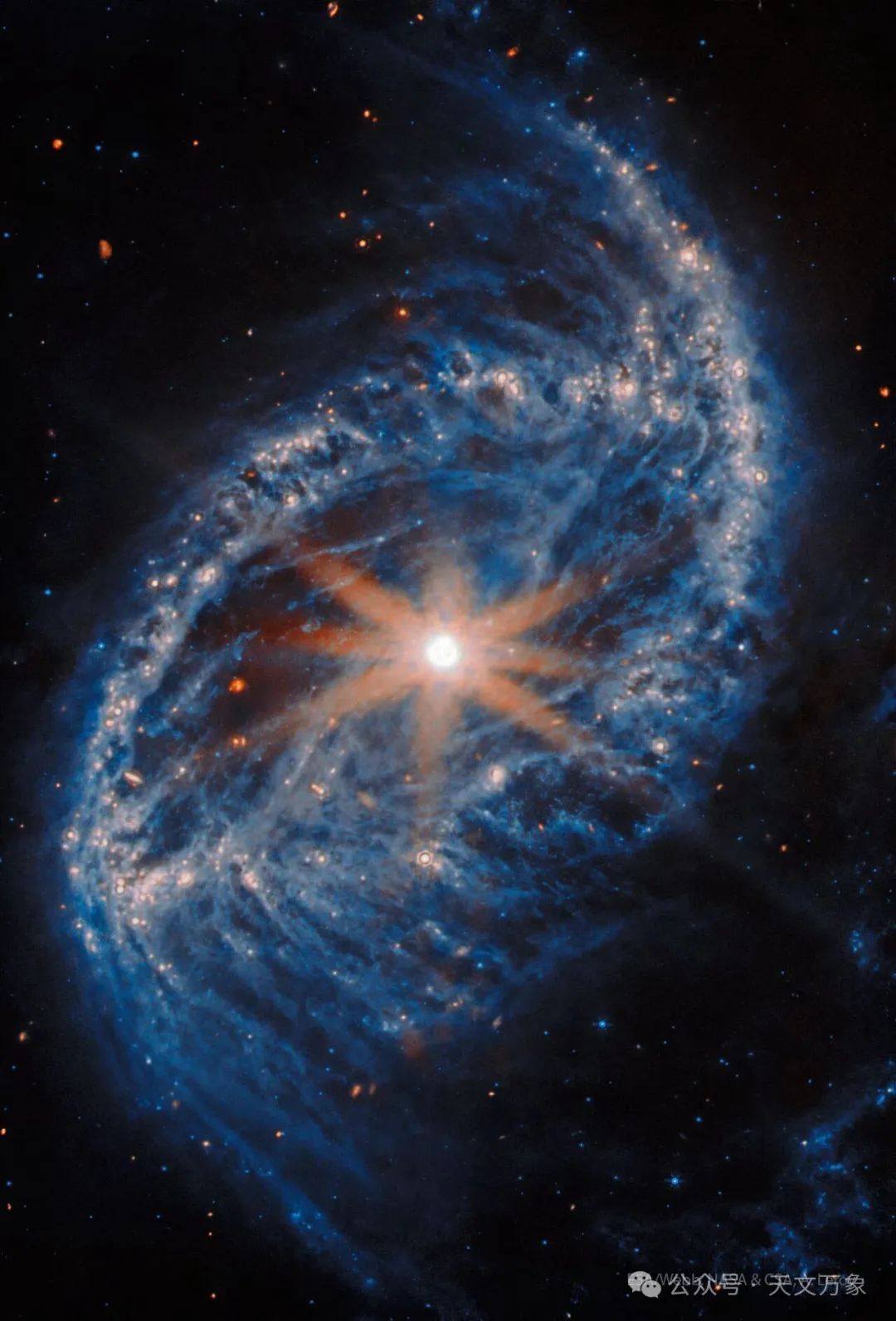
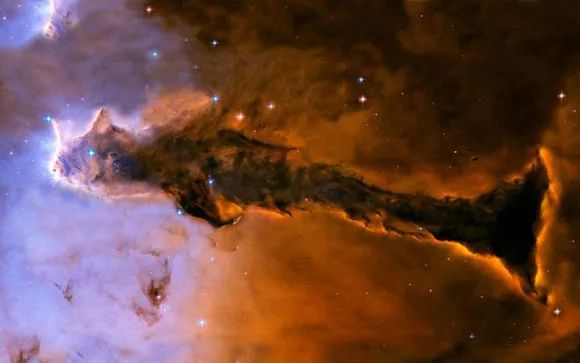

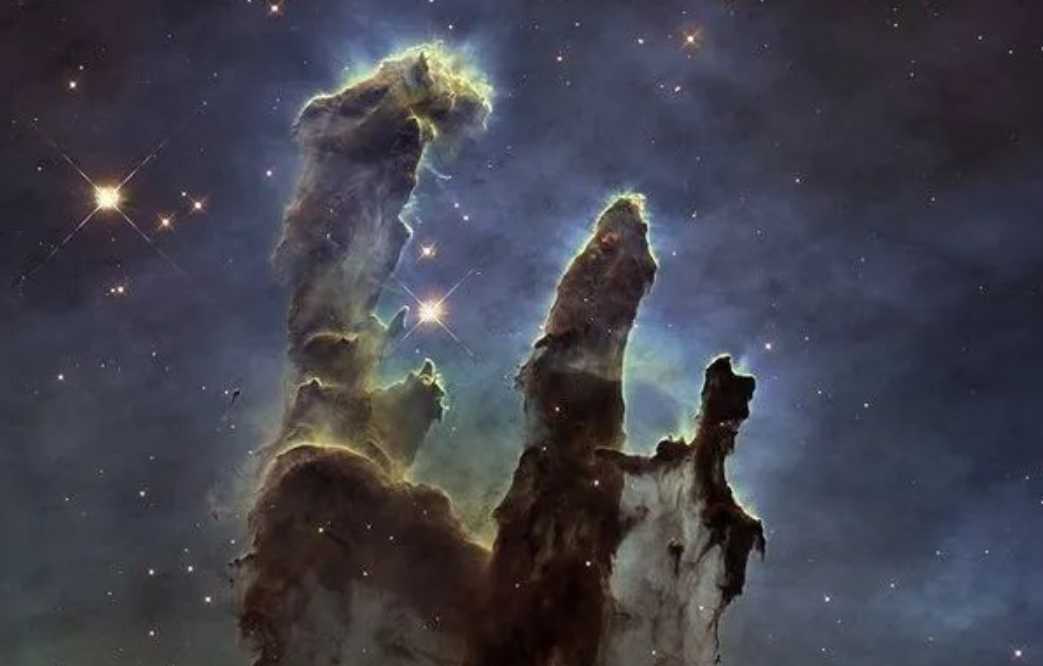
Hubble's Iconic 'Pillars of Creation'
The "Pillars of Creation," an iconic image captured by the Hubble Space Telescope in 1995, is one of its masterpieces. This photograph, taken in the Eagle Nebula (M16), showcases three massive gas pillars that reach up to 4 - 5 light - years in height, serving as a cradle for star birth.
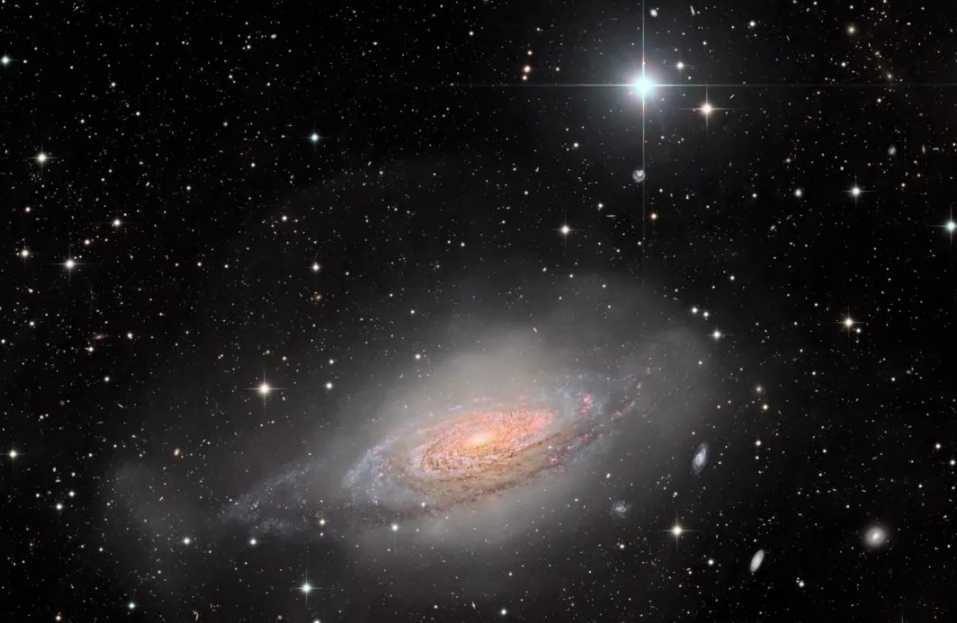
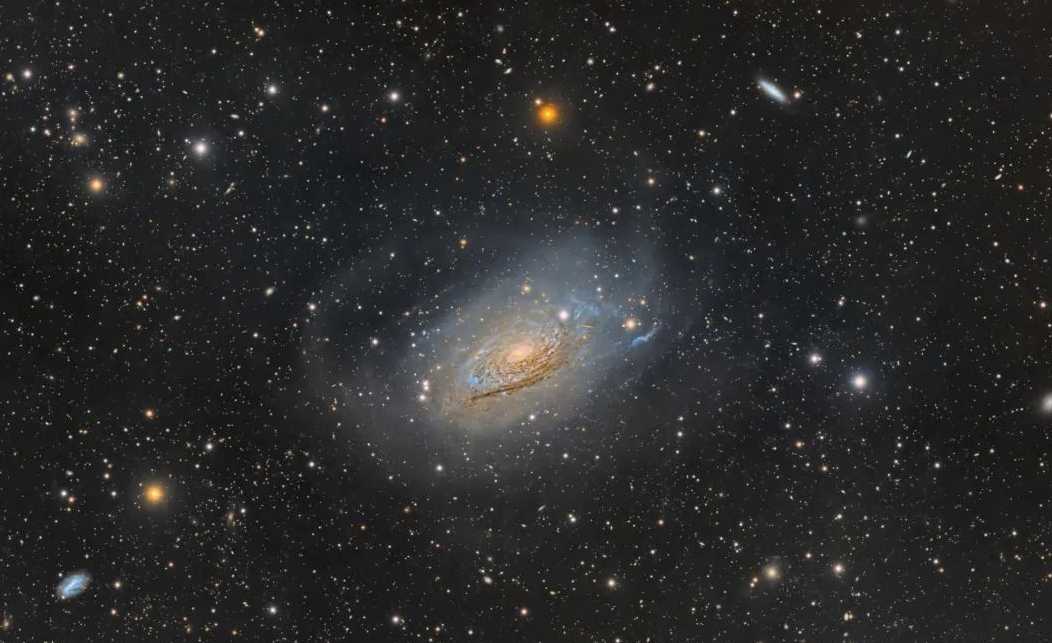
M63 (The Sunflower Galaxy): A Cosmic Sunburst in Canes Venatici
The bright spiral galaxy M63 (NGC 5055) shines in the northern sky, a mere 30 million light-years from Earth in the constellation Canes Venatici ("the Hunting Dogs"). Spanning ~100,000 light-years—comparable to the Milky Way—its luminous core and grand spiral arms earned it the nickname "Sunflower Galaxy," a nod to its petal-like structure in deep exposures.
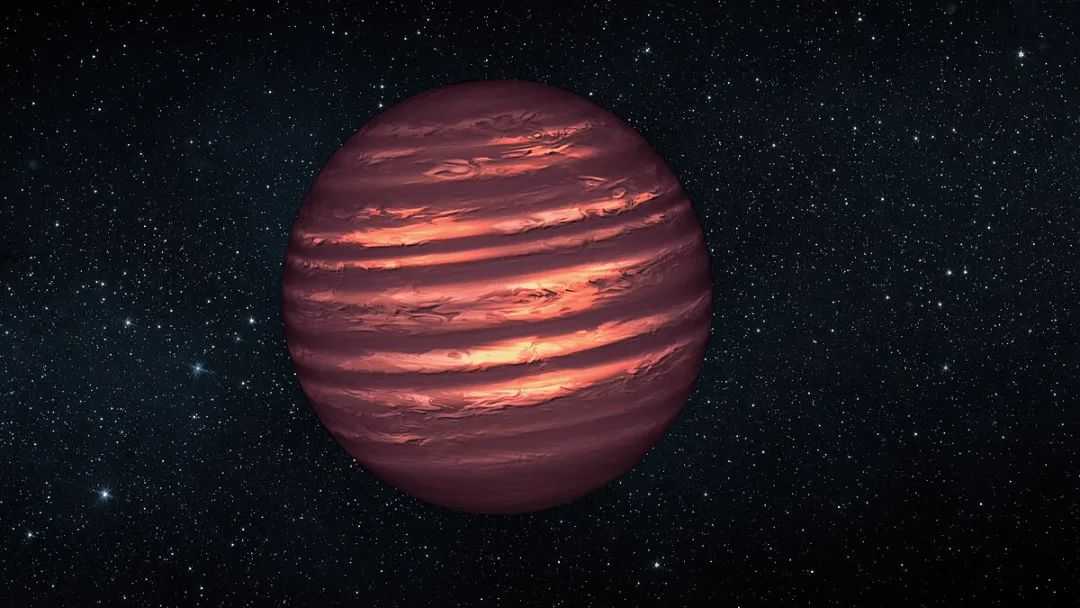
The Core Value of Brown Dwarf Research: Unlocking Cosmic Mysteries Between Stars and Planets
Brown dwarfs, often dismissed as "failed stars," hold profound significance for astronomy and cosmology, bridging the gap between planets and stellar bodies. Their study illuminates fundamental questions about cosmic evolution, interstellar physics, and even the nature of dark matter. Here’s how these enigmatic objects advance scientific understanding:
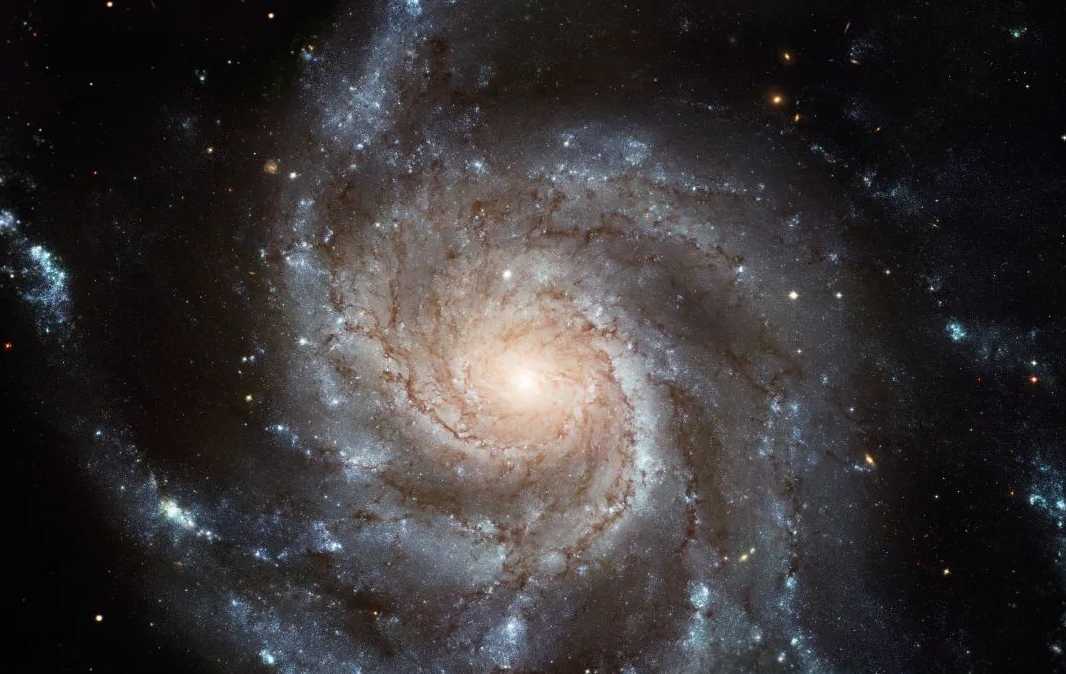
The Pinwheel Galaxy M101: A Cosmic Masterpiece Across Two Centuries
One of the last entries in Charles Messier’s catalog, the Pinwheel Galaxy (M101) stands as its most dazzling wonder. Spanning 170,000 light-years—nearly twice the Milky Way’s size—it first revealed its spiral secrets to 19th-century astronomer Lord Rosse through the Parsonstown Leviathan, the era’s largest telescope.
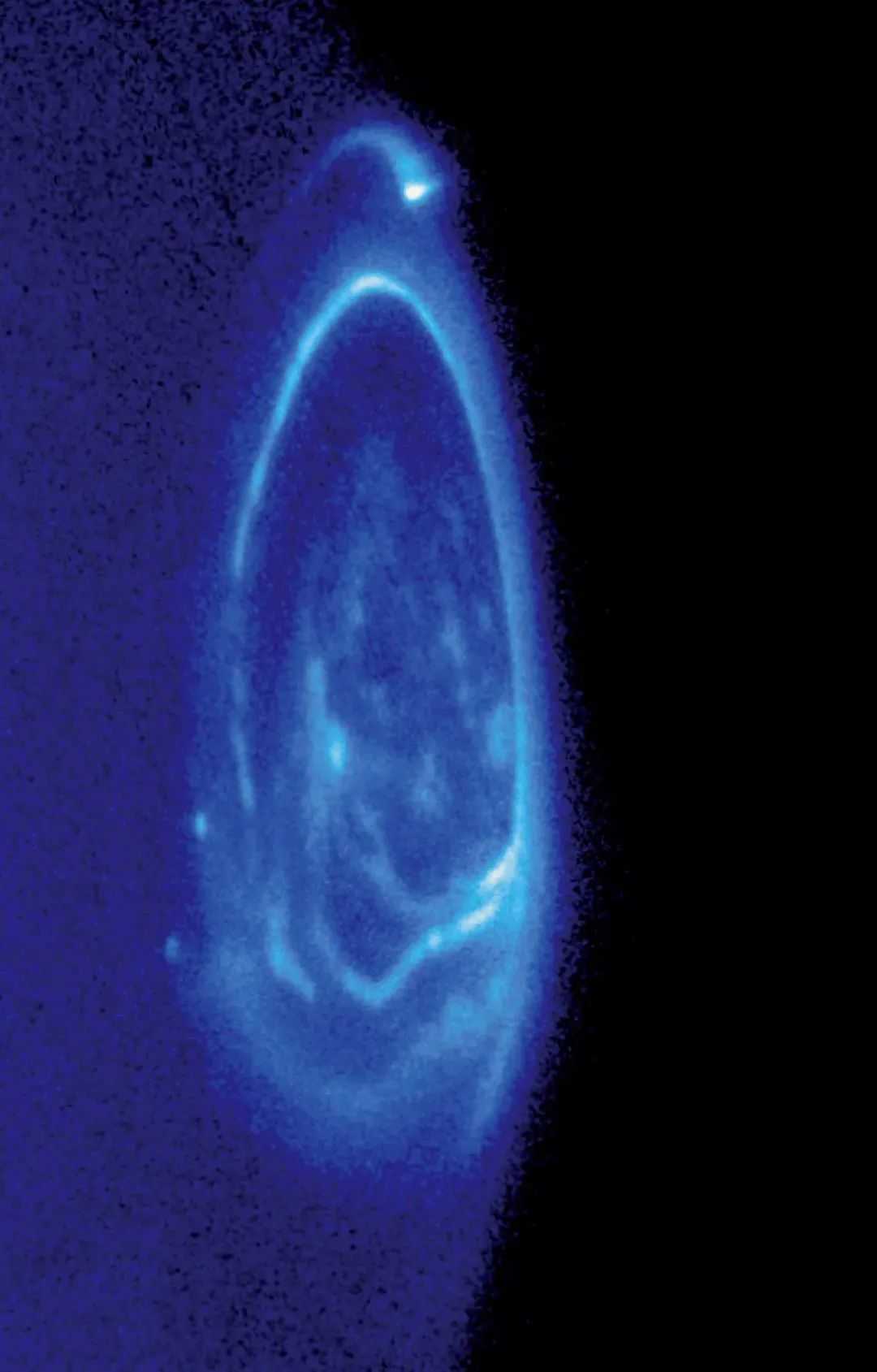
Jupiter's Auroras: Ultraviolet Rings Illuminating the Gas Giant's Poles
A stunning image captures Jupiter’s auroras—dazzling ultraviolet (UV) rings encircling the planet’s north pole—revealing the dynamic interplay between its powerful magnetic field and its retinue of moons. These celestial light shows, invisible to the naked eye but vivid in UV wavelengths, offer a window into the extreme physics governing the solar system’s largest planet.
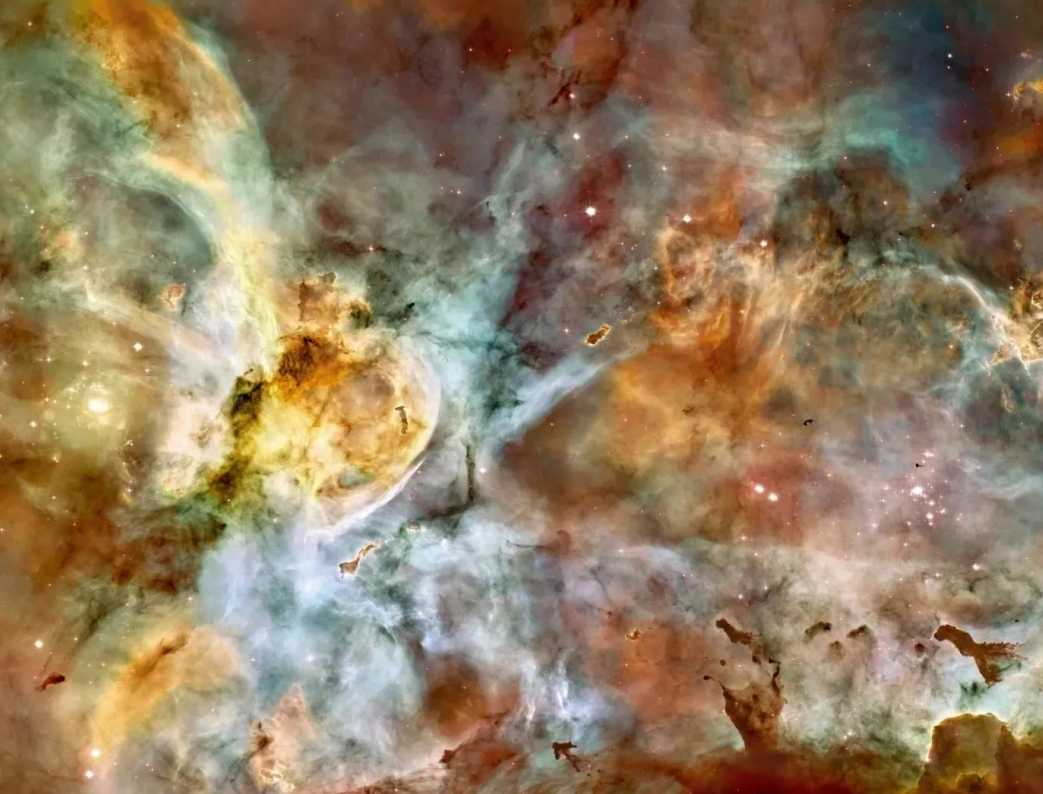
The Carina Nebula: A Massive Stellar Nursery in the Southern Sky
Located between 6,500 and 10,000 light-years from the Solar System, the Carina Nebula is a breathtaking region of cosmic activity visible exclusively from the Southern Hemisphere. Renowned as one of the Milky Way’s most dynamic star-forming regions, it serves as a cradle for some of the galaxy’s most massive and luminous stars, offering the public an opportunity to explore the extreme processes that shape stellar evolution.
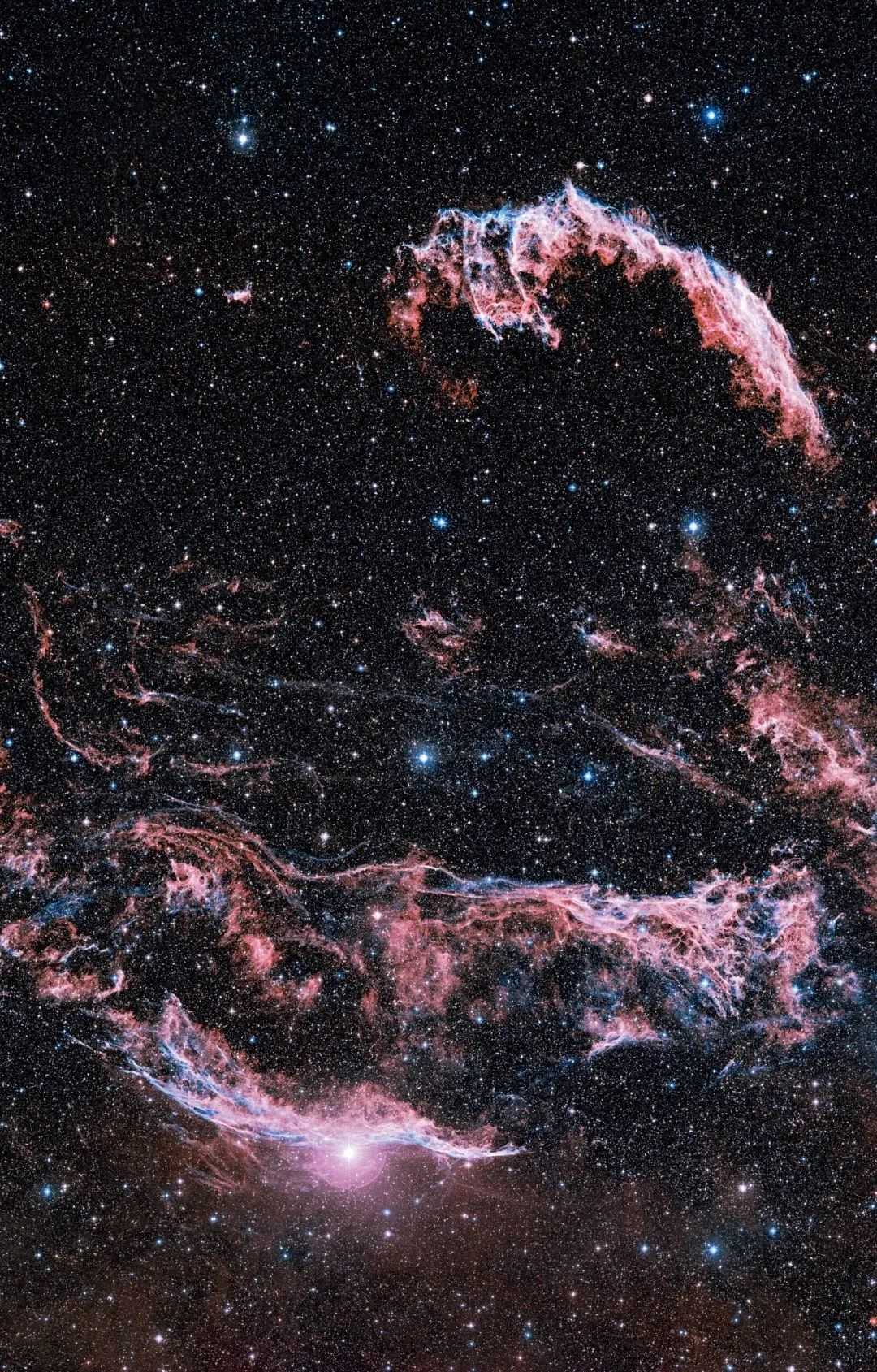
The Veil Nebula in Cygnus: A Stellar Remnant of Cosmic Explosions
The Veil Nebula, a captivating celestial spectacle in the constellation Cygnus, stands as a testament to the violent death of a massive star. This expansive supernova remnant, formed when a star exhausted its nuclear fuel and exploded in a catastrophic event, showcases the raw power of stellar evolution and the beauty of cosmic recycling.