






The Peacock: Nature’s Ornate 'King of Birds' and Symbol of Splendor
Hailed as the "King of Birds" (outshining the mythical phoenix in real-world grandeur), the peacock captivates with its resplendent plumage, long revered as a symbol of good fortune and nobility. A member of the pheasant family, this majestic bird comprises two species: the blue peacock native to South Asia—India’s national bird—and the green peacock, a critically endangered resident of Southeast Asia and China’s Yunnan province, protected as a national first-class animal.

The Enchanting White-naped Honeyeater: A Jewel of Australasian Forests
The White-naped Honeyeater (Melithreptus lunatus), a vibrant and agile bird native to Australasia, charms observers with its striking plumage and vital role in forest ecosystems. Found in the lush woodlands and eucalyptus forests of Australia and New Guinea, this species is a testament to the rich diversity of honeyeater birds, renowned for their specialized nectar-feeding habits.

The Charming Blue Tit: A Tiny Jewel of European Woodlands
The Blue Tit (Cyanistes caeruleus) is a delightful small bird that has captured the hearts of birdwatchers and nature enthusiasts across Europe. With its vibrant plumage and lively behavior, it adds a splash of color and energy to the woodlands, gardens, and parks it inhabits.

Pelecanus erythrorhynchos: The Majestic American White Pelican of North America
The American white pelican (Pelecanus erythrorhynchos) stands as one of North America’s most iconic large waterbirds, celebrated for its striking appearance and impressive aerial prowess. With its snowy plumage and imposing size, this species is a familiar sight in the continent’s freshwater lakes, rivers, and coastal estuaries, where it plays a vital role in aquatic ecosystems.

Inca Dove: A Graceful Resident of the Arid Lands
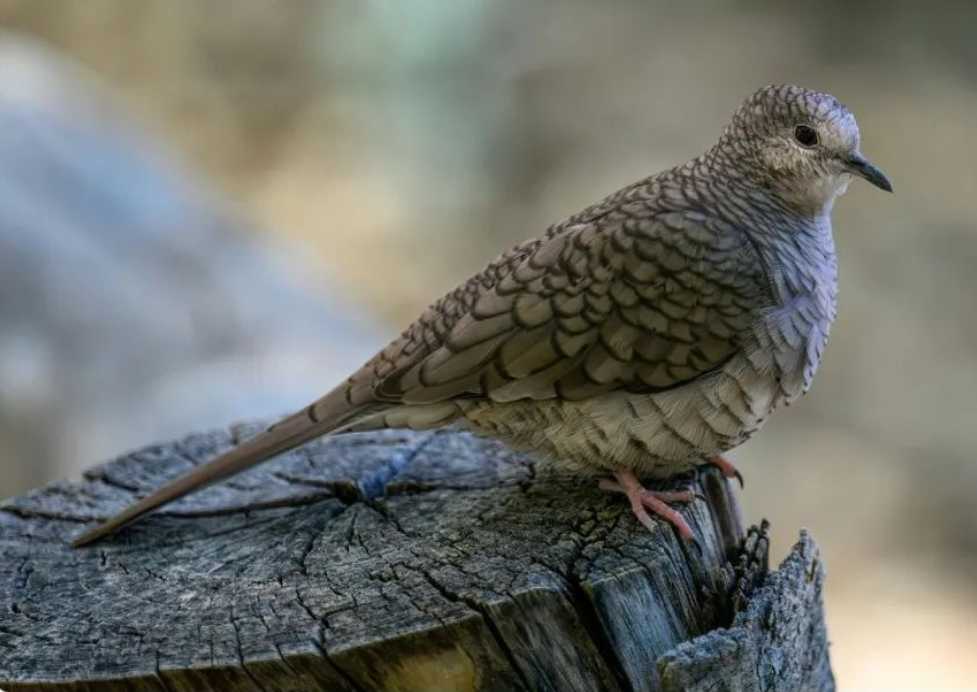
The Inca dove, Columbina inca, is a small, elegant bird native to the southwestern United States and parts of Mexico. Characterized by its slender body and unique, scaled - looking plumage that ranges from soft brown to gray, it has a distinctive appearance. Its short tail and quick, darting movements add to its charm, making it a fascinating sight in its arid habitat.
Great Egret: A Majestic Bird in the Natural World
The great egret, scientifically known as Ardea alba, is a large and widely - distributed wading bird. It inhabits most tropical and warmer temperate regions globally, being more common in some areas like the Americas. With its all - white plumage, yellow bill, and black legs and feet, it presents an elegant appearance.

Terrestrial Birds: Ground-Dwelling Specialists of Diverse Habitats
Terrestrial birds, a versatile group of avian species, have adapted to thrive in a range of environments, from dense forests and urban parks to suburban gardens and agricultural fields. These birds spend the majority of their lives foraging and nesting on the ground, relying on a diet that typically includes grains, seeds, insects, and small vertebrates.

Birds of Prey: Nature's Aerial Predators
Birds of prey, or raptors, are a diverse group of carnivorous birds characterized by their formidable hunting skills and specialized adaptations for predation. These apex avian predators occupy various habitats worldwide, from dense forests and open grasslands to mountain ranges and coastal regions, relying on a diet of small mammals, reptiles, fish, and other birds.