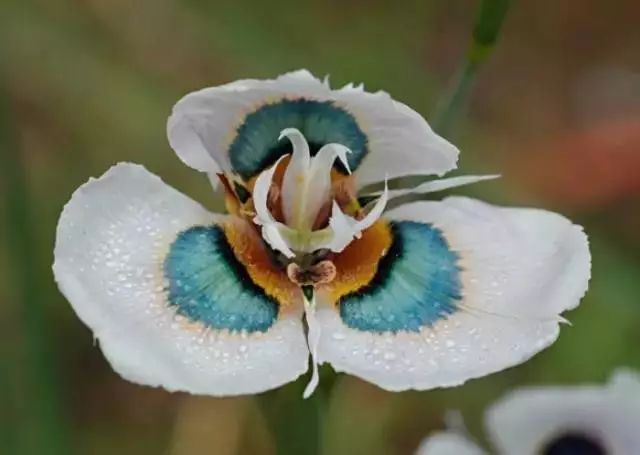
Moraea, commonly known as the Fortnight Lily or African Iris, is a captivating genus within the Iris family, Iridaceae. Native to South Africa, these plants have made their way into gardens and landscapes around the world, enchanting observers with their unique beauty and adaptability.
The Moraea genus encompasses approximately 110 species, each with its own distinct characteristics. These are perennial herbs, with some species featuring short, stout creeping rhizomes, while others grow from corms. The leaves are typically sword - shaped, rigid, and arranged in fan - shaped, distichous rosettes. They can reach lengths of up to 90 centimeters, with a width of 1.5 - 2 centimeters. The parallel - veined leaves are glabrous and flat, providing an elegant backdrop to the flowers.
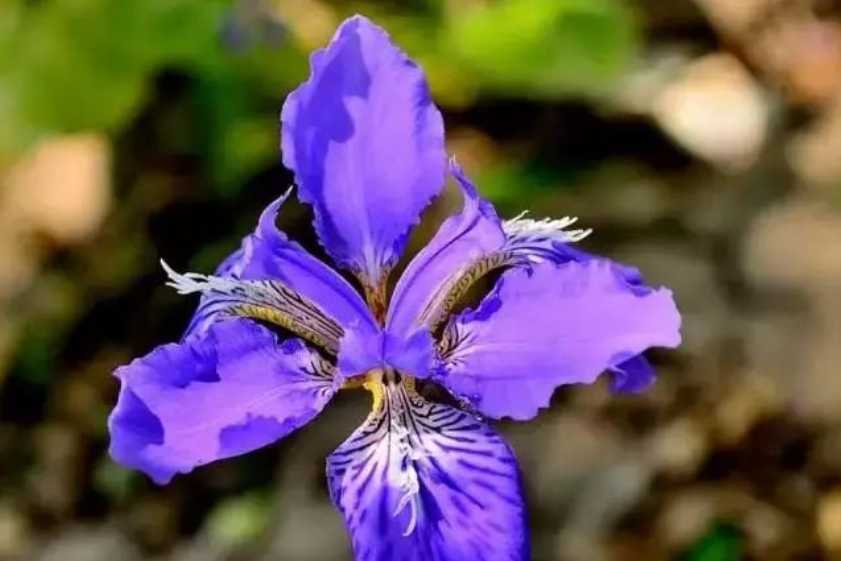
The flowers of Moraea are truly a sight to behold. They are large and showy, with a diameter of about 10 centimeters. Each flower stalk can bear 3 - 4 flowers, which bloom one at a time. The perianth consists of 6 segments, arranged in two whorls. The outer three segments, or falls, are white, often with a yellow - bearded midsection on the hafts. They measure 3 - 4 centimeters long and 2 centimeters wide. The inner three segments, or standards, are also white, but slightly smaller, at 3 - 4 centimeters long and 1 centimeter wide. The three lanceolate, lilac - colored style - crests are deeply bifid and marked bluish. Although each individual flower lasts only a day, they are quickly replaced by new blooms, often in two - week intervals, hence the name "Fortnight Lily."
In their native South Africa, Moraea species are found in a variety of habitats, from the Western Cape to as far as Nigeria and Ethiopia. They are well - adapted to the Mediterranean - like climate of the Western Cape, with its wet winters and dry summers. In cultivation, Moraea thrives in full sun to partial shade and well - drained soil. They are relatively drought - tolerant once established, making them an excellent choice for water - wise gardens. These plants are also popular in container gardening, border plantings, and rock gardens, adding a touch of elegance and color to any landscape.
Some species of Moraea, such as Moraea iridioides, have become naturalized in areas outside their native range, including parts of the United States. However, in their native habitats, many Moraea species are facing threats due to habitat loss caused by urban expansion and agriculture. Conservation efforts are underway to protect these beautiful plants and their habitats.
Beyond their aesthetic appeal, Moraea plants also play a role in the ecosystem. Their nectar - rich flowers attract pollinators such as bees and butterflies, contributing to the biodiversity of the areas where they grow. In traditional medicine in some African cultures, certain Moraea species have been used for their potential medicinal properties, though this is not widely studied in modern science.
In conclusion, Moraea is a fascinating genus of plants that combines beauty, adaptability, and ecological importance. Whether you're a seasoned gardener looking to add a unique touch to your landscape or a nature lover interested in the wonders of the plant world, Moraea is definitely a genus worth exploring.