Rare Three - Filament Thismia Discovered: A Botanical Sensation


Plant Information
Rare Three - Filament Thismia Discovered: A Botanical Sensation

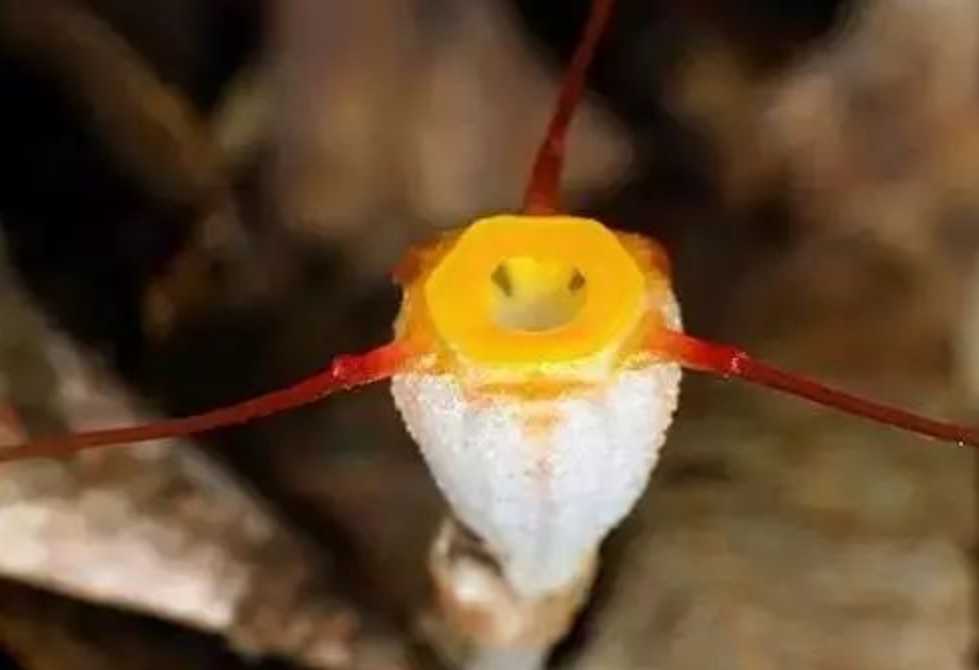
In a significant botanical discovery, the rare Three - Filament Thismia (Thismia tentaculata) has recently come to light, captivating the scientific community and nature enthusiasts alike. This unique plant was first identified in 2007 in Vietnam, and later, in 2008, in Hong Kong. However, its recent appearance in the Hainan Tropical Rainforest National Park in Wuzhishan, China, marks a remarkable expansion of its known range.


The Three - Filament Thismia is an annual saprophytic plant, spending the majority of its life hidden beneath the soil. It is only after heavy rainfall that it emerges briefly to flower and fruit, with its blooming period lasting a mere week. This ephemeral nature, combined with its specific habitat requirements, makes it an elusive find. The plant is characterized by its delicate structure, bearing a resemblance to a tiny, otherworldly cup with three distinct filaments, from which it derives its name.


The total number of Three - Filament Thismia plants discovered so far, across Vietnam and Hong Kong, has been fewer than 50. The recent discovery in Hainan is particularly exciting as it not only adds to our understanding of the plant's distribution but also highlights the rich biodiversity of the region. The Hainan Tropical Rainforest National Park, with its lush ecosystems and unique micro - climates, provides an ideal environment for such rare species to thrive.


This discovery is a testament to the effectiveness of conservation efforts and scientific monitoring. The Hainan Tropical Rainforest National Park Administration's Wuzhishan Branch has been actively engaged in forest resource protection and monitoring. Their initiative of creating a WeChat group for forest rangers to share photos of flora and fauna has proven invaluable. In June 2024, a forest ranger, Wang Jiaren, captured images of the Three - Filament Thismia during his routine patrol. These pictures were then shared in the group, catching the attention of Associate Researcher Zhang Zhe from the Tropical Agriculture and Forestry College of Hainan University, who initially suspected it to be a new record species. After further scientific sampling and morphological identification, the plant was officially confirmed as the Three - Filament Thismia.


As a saprophytic plant, the Three - Filament Thismia plays a unique role in the ecosystem, recycling nutrients from decaying organic matter. Its presence is an indicator of a healthy, undisturbed environment. However, due to its rarity and limited distribution, the species faces potential threats from habitat destruction and climate change. Conservationists and scientists are now focusing on safeguarding its newly - discovered habitat in Hainan, implementing measures to protect this delicate plant and the biodiversity it represents. The discovery of the Three - Filament Thismia serves as a reminder of the countless wonders that nature holds and the importance of continued exploration and conservation in our natural world.

Latest Stories
Astro Information2 minute readResembling a double-bladed lightsaber, this stunning Hubble Space Telescope image captures Herbig-Haro 24 (HH 24)—a half-light-year-wide jet erupting from a newborn star in the Orion B molecular cloud complex, ~1,300 light-years (400 parsecs) from Earth. HH 24 exemplifies the violent beauty of star birth, where invisible forces carve luminous pathways through interstellar space.
Feline News2 minute readThe Oriental Shorthair, a breed celebrated for its striking elegance and dynamic personality, traces its origins to mid-20th century breeding programs in the UK and the US2. Developed as a close relative of the Siamese, these cats emerged from intentional crossbreeding with British Shorthairs and Abyssinians to create a feline with the Siamese’s sleek physique but expanded coat color possibilities28. By the 1970s, the breed gained international recognition, captivating cat lovers worldwide with its unique charm.
Bird Information1 minute readLiving primarily in tropical oceans, frigatebirds boast wingspans exceeding 2 meters, with males sporting a distinctive red throat pouch that inflates like a scarlet balloon during courtship. These avian marvels are renowned for their ability to fly continuously for two months without touching water—even sleeping mid-air.
Feline News1 minute readNICOSIA, Cyprus – Roaming freely through the streets, ancient ruins, and coastal villages of Cyprus, a distinctive feline with amber or tabby coats has become an iconic symbol of the island. These are Cyprus cats, often hailed as "living fossils" and cherished as a unique part of the Mediterranean nation’s heritage.
Astro Information1 minute readSegue 2, a diminutive galaxy spanning just 220 light-years and hosting fewer than 1,000 stars, stands in stark contrast to giants like IC 1101—making it appear as cosmic "stardust." Scientists suspect this tiny entity is an early-universe "relic," gravitationally bound to the Milky Way, forever stunted in its growth.
Canine News2 minute readThe American Pit Bull Terrier originated in 19th-century England, initially bred by crossing bulldogs with terriers for blood sports like bull-baiting and dog fighting. In the mid-19th century, it arrived in the U.S. with immigrants and was gradually refined into a farm working dog and family companion. While not officially recognized by the American Kennel Club (AKC), it is registered as a distinct breed by the United Kennel Club (UKC) and the American Dog Breeders Association (ADBA
Feline News1 minute readThe Serengeti cat, a captivating breed celebrated for its striking resemblance to the African serval, has been gaining global attention among cat enthusiasts. Developed in the late 20th century through selective breeding—primarily crossing Bengal cats with Oriental Shorthairs—this breed was crafted to embody the grace of wild felines while maintaining a domesticated temperament.