Persian Lily: A Mesmerizing Gem in the World of Bulbous Plants


Plant Information
Persian Lily: A Mesmerizing Gem in the World of Bulbous Plants

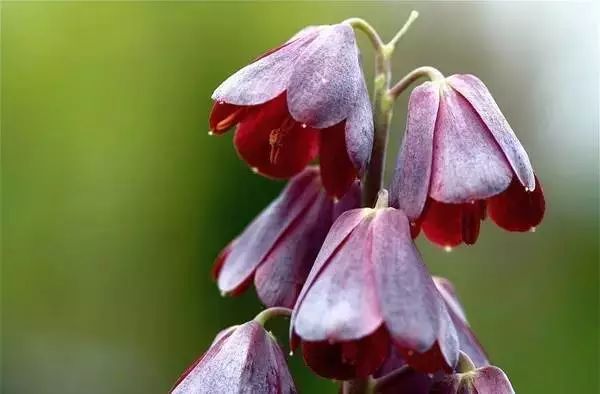
In the realm of bulbous plants, the Persian Lily, scientifically known as Fritillaria persica, stands out as a captivating and exotic species. Native to regions such as southern Turkey, Iran, Iraq, Lebanon, Syria, Cyprus, and Israel, this plant has found its way into gardens around the world, enchanting enthusiasts with its unique appearance.

The Persian Lily is a robust bulbous perennial. It typically reaches a height of 30 to 60 centimeters (12 - 24 inches), though some varieties can grow even taller. The plant features long, lanceolate, gray - green leaves that add an elegant backdrop to its most striking feature: the flower spikes. Each spike can bear up to 30 pendulous, narrow, bell - shaped flowers. These flowers range in color from deep, rich plum purple that appears almost black in certain lights to more muted green - brown tones. The unique coloration and the way the flowers dangle gracefully from the stem give the plant a distinct and alluring charm.


One of the most popular varieties is 'Adiyaman'. This particular cultivar has gained international acclaim and has even received the prestigious Royal Horticultural Society's Award of Garden Merit. 'Adiyaman' is characterized by its taller stature compared to many other Persian Lily varieties and its profusion of flower spikes, making it a showstopper in any garden setting. Another notable variety is 'Ivory Bells', which offers a different aesthetic with its greenish - white flowers that gradually turn into a creamy ivory as they mature.


In terms of cultivation, Persian Lilies thrive in full sun to partial shade. They prefer well - drained, organically rich soil. When planting the bulbs in the fall, it's recommended to place them about 8 inches deep in the soil and space them around 8 inches apart. These plants are relatively low - maintenance once established, though they do require regular watering during their growing season, which is typically in the spring. However, care should be taken not to over - water, as they are susceptible to rot, especially in winter when the soil should be kept on the drier side.


The Persian Lily not only adds a touch of elegance and mystery to gardens but also serves as an important part of the ecosystem, attracting pollinators such as bees and butterflies. As more gardeners become aware of this unique plant, its popularity continues to grow, both in formal gardens and in more naturalistic, cottage - style settings. Whether planted in groups for a dramatic display or used as a focal point, the Persian Lily is sure to be a conversation starter and a source of beauty in any outdoor space.
Latest Stories
Astro Information2 minute readResembling a double-bladed lightsaber, this stunning Hubble Space Telescope image captures Herbig-Haro 24 (HH 24)—a half-light-year-wide jet erupting from a newborn star in the Orion B molecular cloud complex, ~1,300 light-years (400 parsecs) from Earth. HH 24 exemplifies the violent beauty of star birth, where invisible forces carve luminous pathways through interstellar space.
Feline News2 minute readThe Oriental Shorthair, a breed celebrated for its striking elegance and dynamic personality, traces its origins to mid-20th century breeding programs in the UK and the US2. Developed as a close relative of the Siamese, these cats emerged from intentional crossbreeding with British Shorthairs and Abyssinians to create a feline with the Siamese’s sleek physique but expanded coat color possibilities28. By the 1970s, the breed gained international recognition, captivating cat lovers worldwide with its unique charm.
Bird Information1 minute readLiving primarily in tropical oceans, frigatebirds boast wingspans exceeding 2 meters, with males sporting a distinctive red throat pouch that inflates like a scarlet balloon during courtship. These avian marvels are renowned for their ability to fly continuously for two months without touching water—even sleeping mid-air.
Feline News1 minute readNICOSIA, Cyprus – Roaming freely through the streets, ancient ruins, and coastal villages of Cyprus, a distinctive feline with amber or tabby coats has become an iconic symbol of the island. These are Cyprus cats, often hailed as "living fossils" and cherished as a unique part of the Mediterranean nation’s heritage.
Astro Information1 minute readSegue 2, a diminutive galaxy spanning just 220 light-years and hosting fewer than 1,000 stars, stands in stark contrast to giants like IC 1101—making it appear as cosmic "stardust." Scientists suspect this tiny entity is an early-universe "relic," gravitationally bound to the Milky Way, forever stunted in its growth.
Canine News2 minute readThe American Pit Bull Terrier originated in 19th-century England, initially bred by crossing bulldogs with terriers for blood sports like bull-baiting and dog fighting. In the mid-19th century, it arrived in the U.S. with immigrants and was gradually refined into a farm working dog and family companion. While not officially recognized by the American Kennel Club (AKC), it is registered as a distinct breed by the United Kennel Club (UKC) and the American Dog Breeders Association (ADBA
Feline News1 minute readThe Serengeti cat, a captivating breed celebrated for its striking resemblance to the African serval, has been gaining global attention among cat enthusiasts. Developed in the late 20th century through selective breeding—primarily crossing Bengal cats with Oriental Shorthairs—this breed was crafted to embody the grace of wild felines while maintaining a domesticated temperament.